
Clinical Research
/
December 2025
About Hearing Loss
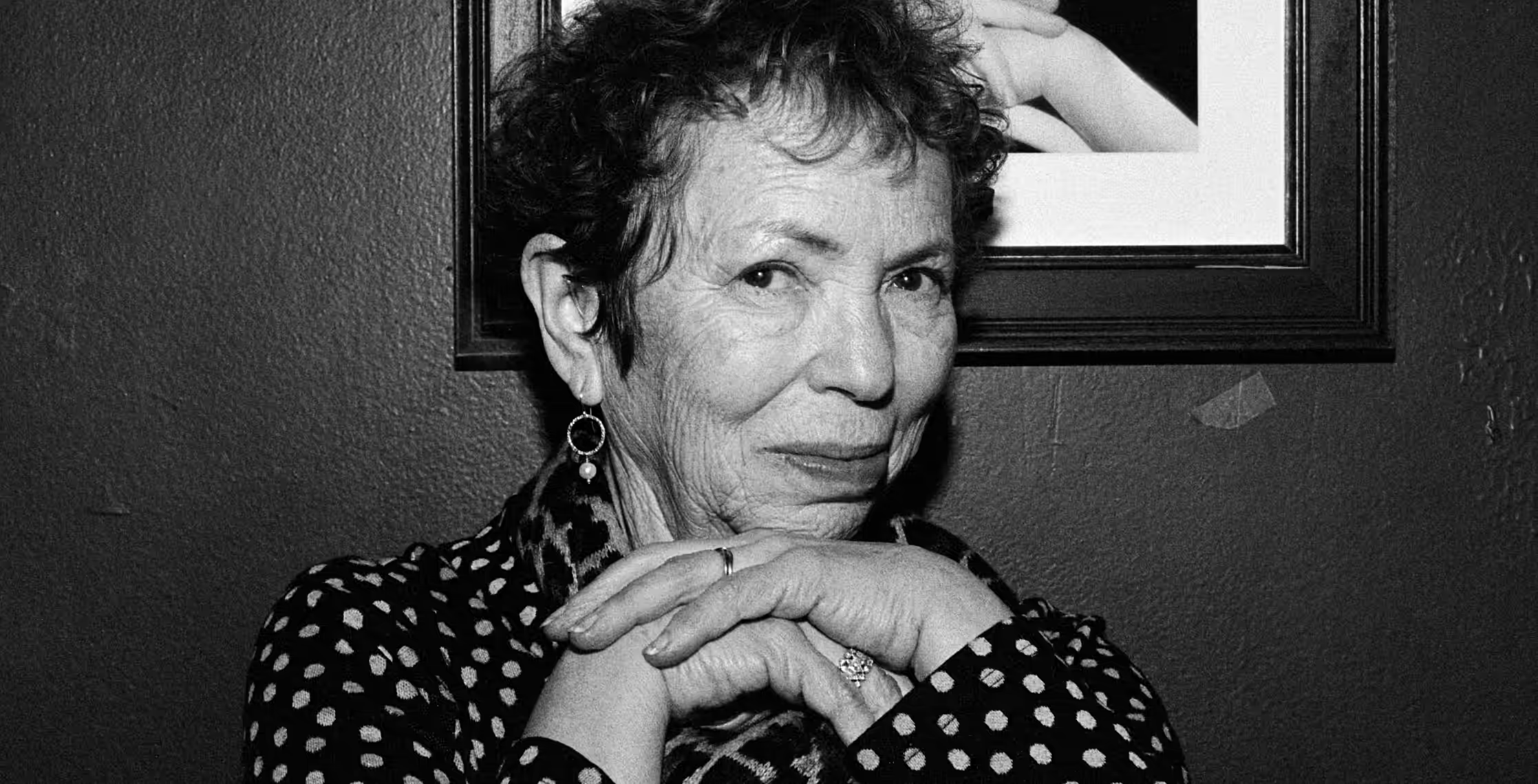
Meryl’s life is busy and deeply collaborative. Between traveling to Tel Aviv for gallery exhibits, spending weeks teaching in Dublin, and publishing her own photography books, she is constantly in conversation with fellow artists and gallerists.
However, that discourse began to feel strained two decades ago. During her final year teaching middle school art, Meryl noticed her hearing was starting to fade. While she initially joked that missing a bit of the classroom chaos was a "blessing in disguise," the reality was setting in that hearing the people around her now required a level of focus that felt unsustainable. She found herself leaning in, moving closer to students, and constantly asking for phrases to be repeated.
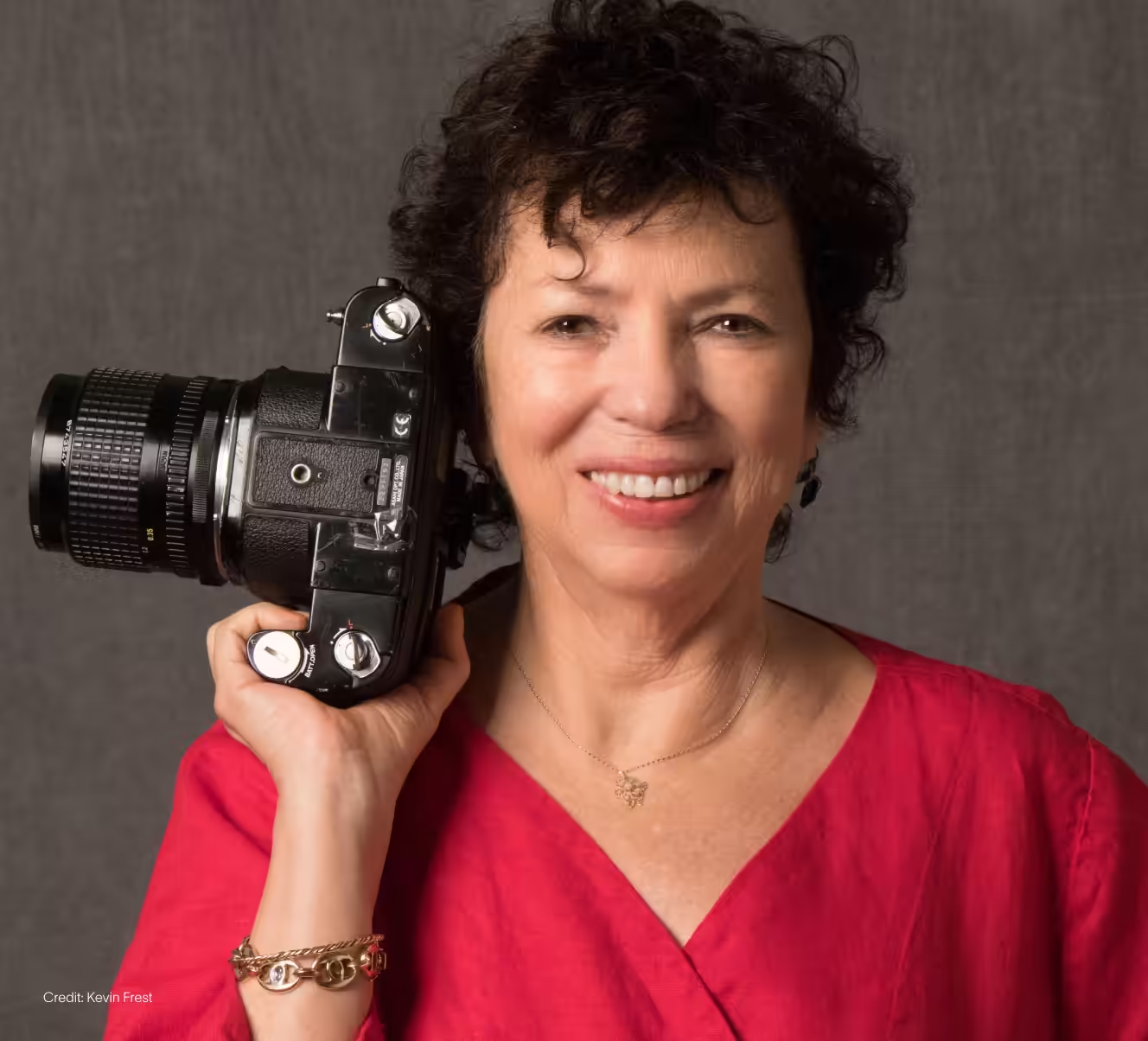
After years of using conventional hearing aids that felt more like a necessary burden than a solution, Meryl made the switch to Fortell. The transition from traditional technology to Fortell’s AI-driven solution was, in her words, "drastic."
Unlike her previous hearing aids, which amplified all sounds indiscriminately, Fortell pulled forward the speech she wanted to hear, while turning down distracting background sounds. “I can now make out what people are saying. It’s a huge difference,” she said.
The impact of Fortell is most apparent during her favorite pastime: live theater. For years, Meryl relied on the bulky, loaned assistive listening devices that theaters provide for the hearing impaired. With Fortell, she can now sit in the audience and enjoy a performance naturally, catching every line of dialogue directly through her hearing aids.
“I can now make out what people are saying. It’s a huge difference.”
Perhaps the most telling moment of Meryl's journey occurred by accident. On a day she inadvertently left her Fortells at home, she was forced to reach for her old, conventional hearing aids as a backup. The difference was jarring.
"I really felt it when I had to go back to my old hearing aids for those few days," she explains. Being plunged back into the muffled, less intuitive soundscape of her previous hearing aids served as a reminder of how far she’d come.
For Meryl, there is no going back. With Fortell, she has found the auditory equivalent of a sharp camera lens. She’s no longer an observer of the conversation; she is back at the center of it.