News
/
December 2025
A Letter from the Founders of Fortell
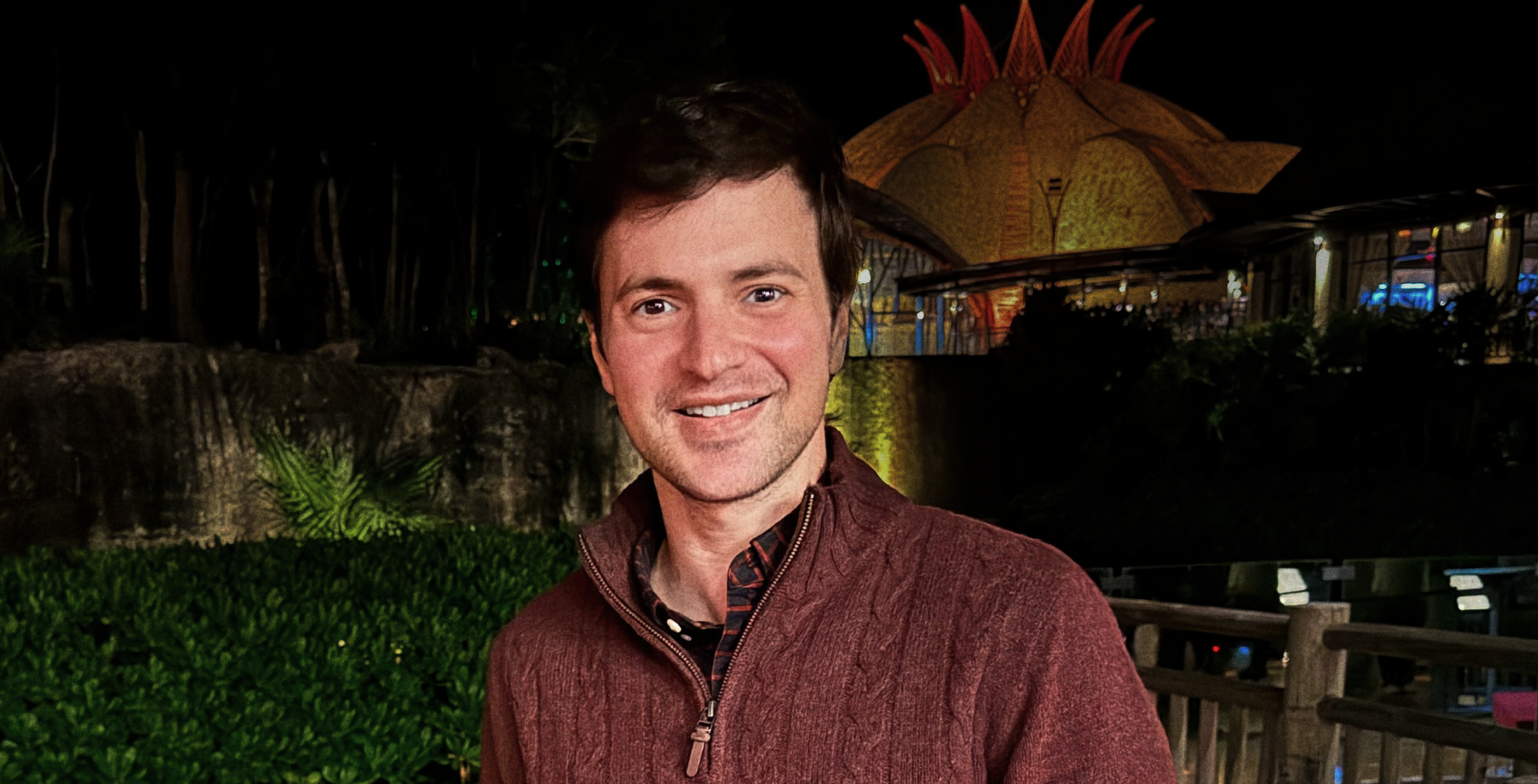
Cory is a man who thrives in high-output environments. Whether he’s navigating the kinetic energy of a New York City real estate development site, traveling to a new country, enjoying a ten-course tasting menu at a Manhattan restaurant with friends, or carving through fresh powder in the Rockies, he lives for a life in motion.
But for a long time, there was a hidden tax on his energy. Because of intensive chemotherapy he received at just 19 months old, Cory has lived with profound hearing loss for most of his life. He survived a Stage 4 cancer diagnosis (a miracle of 1992 medicine), but the high-intensity chemotherapy treatment took a profound toll.
Throughout his childhood, Cory was fitted with a series of incrementally improving hearing aids, moving from early analog models to digital versions in high school. But as he prepared to head off to a demanding Ivy League campus, the math of wearing them stopped making sense.
The technology wasn't meeting the demands of his life. Instead of clarifying a conversation, the devices created a chaotic cacophony of amplified noise. On top of the technical frustration was the social cost. As an 18-year-old entering his freshman year, he didn't want to be defined by a visible medical device, especially one that wasn't actually helping him hear clearly.
Faced with a choice between ineffective tech and a social stigma, Cory made a radical choice: he walked onto campus without them.
For the next ten years, Cory navigated a high-stakes career in real estate development through sheer force of will and the exhausting art of lip-reading. He wasn't just working; he was translating the world 24/7. He was successful, yes, but he was operating on a battery that drained twice as fast as everyone else's.
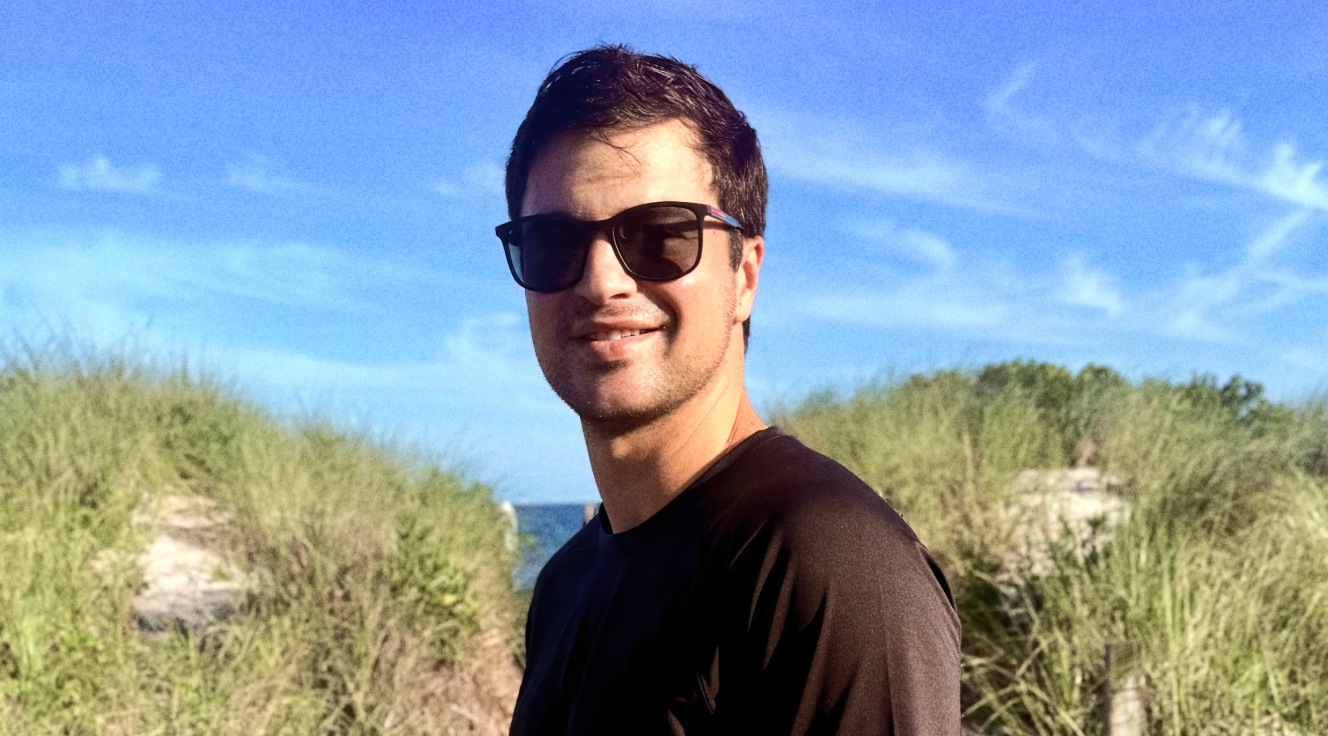
When Cory was eventually introduced to Fortell, he was skeptical. He had spent his entire adult life successfully navigating the world without hearing aids.
The transition with Fortell wasn't instant. Cory describes the first few days as sounding "like a spacecraft." His brain, which hadn't processed high-frequency data for over a decade, needed an adjustment period to "rewire" itself. But once it clicked, his world transformed.
The breakthrough for Cory wasn't just hearing more noise; it was hearing the right noise. Unlike the devices he left behind in 2010, Fortell pulls forward the sounds Cory wants to hear, while attenuating distracting background noises.
This new clarity has transformed how Cory moves through his world.
In a packed Manhattan restaurant, instead of working to decode the table, Cory can actually enjoy the experience. He can catch the server’s description of a rare vintage or the nuanced notes of a chef’s special without glancing up from his meal.
On long road trips, where the low-frequency hum of the engine and interstate traffic used to swallow every word, he’s now a full participant in the banter, hearing his friends in the back seat with clarity.
Even on a wedding dance floor, amidst the booming bass and the chaos of a celebration, he no longer has to retreat to a quiet corner to engage; he can stay in the middle of the action and actually hear the conversation over the music.
"I'm hearing sounds now that I simply didn't know existed."
The most profound shift; however, happened far from the city. Standing in the middle of the jungle on a recent trip, Cory realized his world had gained a new dimension. He wasn't just seeing the green canopy; he was hearing the birds and not as faint chirps, but as a layered, complex environment he’d previously only seen, never truly heard. It gave him a sense of situational awareness and security he hadn't realized he was missing.
"I’m hearing sounds now that I simply didn’t know existed," he said. "If you can’t hear a sound, you can’t reproduce it. Now, I can even hear my own voice better, which is helping me improve my own speech over time."
Cory credits AirPods for finally softening his stance on wearing devices in his ears, but it was the comfort of Fortell that sealed the deal. He genuinely forgets he’s wearing his hearing aids.
For a man who spent his adult life reading lips to get by, the technology hasn't just addressed a hearing loss; it has expanded his world. The stigma that kept him from wearing devices during his college years has been replaced by the power of high-definition sound. Cory is no longer just "getting by" in noisy rooms, he is finally part of the conversation.