Content
blog
Education
How Long Do Hearing Aids Last and When Should You Replace Them?

How Long Do Hearing Aids Last and When Should You Replace Them?

When you bought your hearing aids, your audiologist may have said they should last five to seven years. That sounded reassuring at the time. Years later, a fuzzy phone call or a battery that fades before dinner can make the answer feel much less certain: is the device wearing out, has your hearing changed, or does it simply need attention? A lifespan estimate cannot answer that on its own, but a few practical checks can.

The useful question is not only how long hearing aids last on average. It is whether your hearing aids still perform reliably for you. This guide will help you assess your own devices to decide whether maintenance, repair, or replacement is the best next step.
Published
October 16, 2026
Last Updated
October 16, 2026
Reading time
-
read
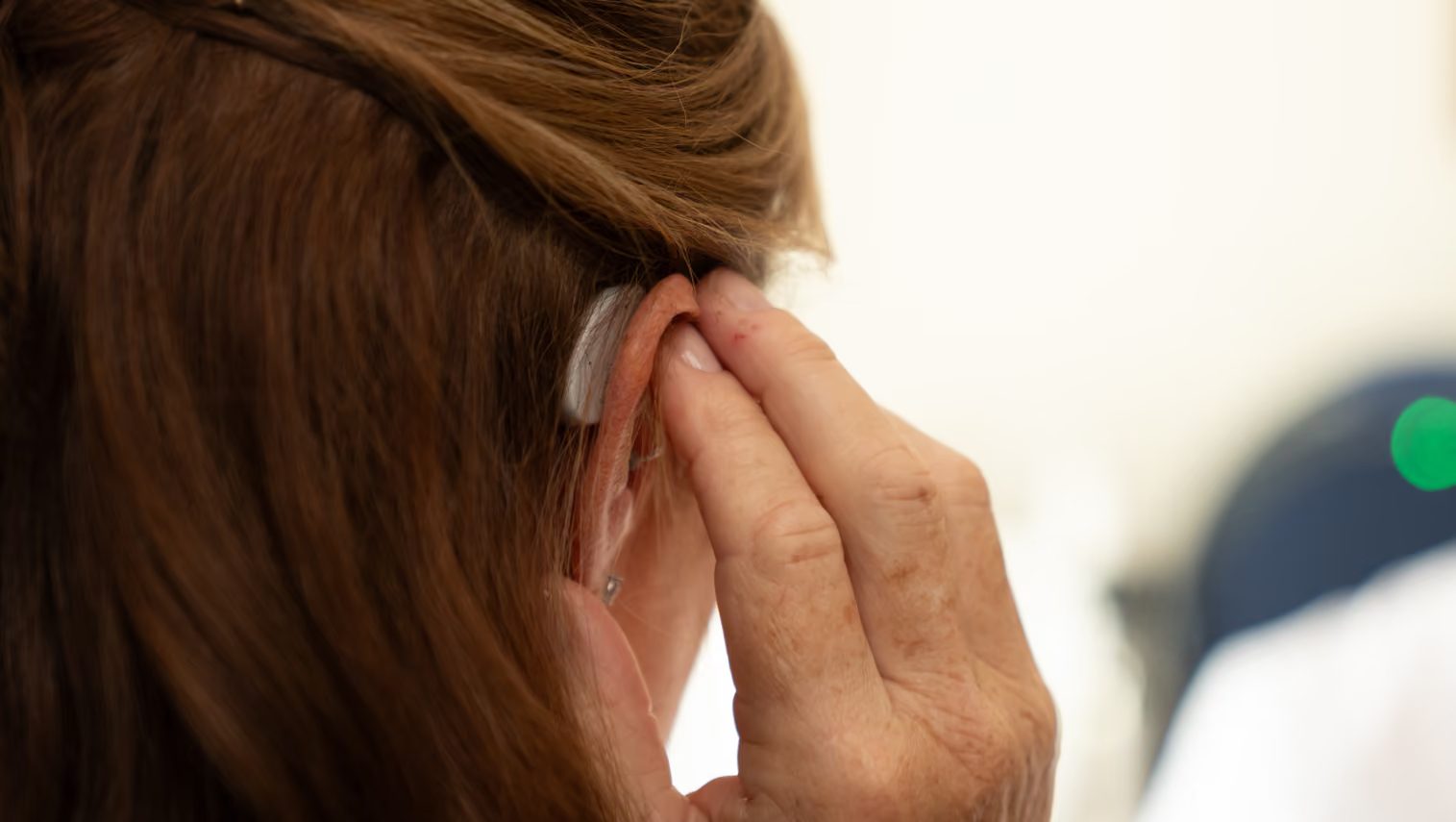
Person wearing Fortell hearing aids.
Key takeaways
  • Most hearing aids last about 3–7 years. Around year five, many wearers begin comparing the value of another repair with the benefits of replacement.
  • Style matters: devices worn behind the ear generally last longer than smaller devices that sit deeper in the ear, where moisture and earwax are harder to avoid.
  • A shorter daily charge does not necessarily mean the whole hearing aid has reached the end of its life. A rechargeable battery may be replaceable.
  • Sound quality, repair frequency, changes in hearing, and technology (not simply how many years you have owned the device) tell you whether it still serves you well.

What is the average lifespan of hearing aids?

Most hearing aids last about 3–7 years. Mayo Clinic notes that they should last about five years, but that does not mean a working pair suddenly expires at year five. To decide whether repair or replacement makes more sense, focus on your daily experience: Do voices still sound clear? Does the battery last through the day? Have repairs become routine?

Average lifespan by hearing aid style

Different types of hearing aids have different expected lifespans, largely because of their placement. Behind-the-ear designs keep most electronics farther from earwax and moisture, so they tend to last longer. Smaller in-ear designs place more components inside the ear, where they face greater exposure to heat, moisture, and earwax. 

  • Behind-the-ear (BTE/RIC): about 5–7 years.‍
  • In-the-ear (full/half-shell): about 3–5 years.‍
  • In-the-canal, completely-in-canal, and invisible-in-canal: about 3 years.

Does a rechargeable battery affect lifespan?

A rechargeable battery does not limit the total lifespan of the device itself. A built-in lithium-ion battery typically holds a useful daily charge for about 4-5 years before its capacity noticeably declines. If the battery no longer lasts through the day but the hearing aid otherwise works well, the manufacturer or an audiologist may be able to replace the battery so you can keep using the device. 

Models with disposable batteries age differently: because you replace their batteries every few days, they do not experience the same gradual loss of charging capacity, although the hearing aids themselves still wear over time.
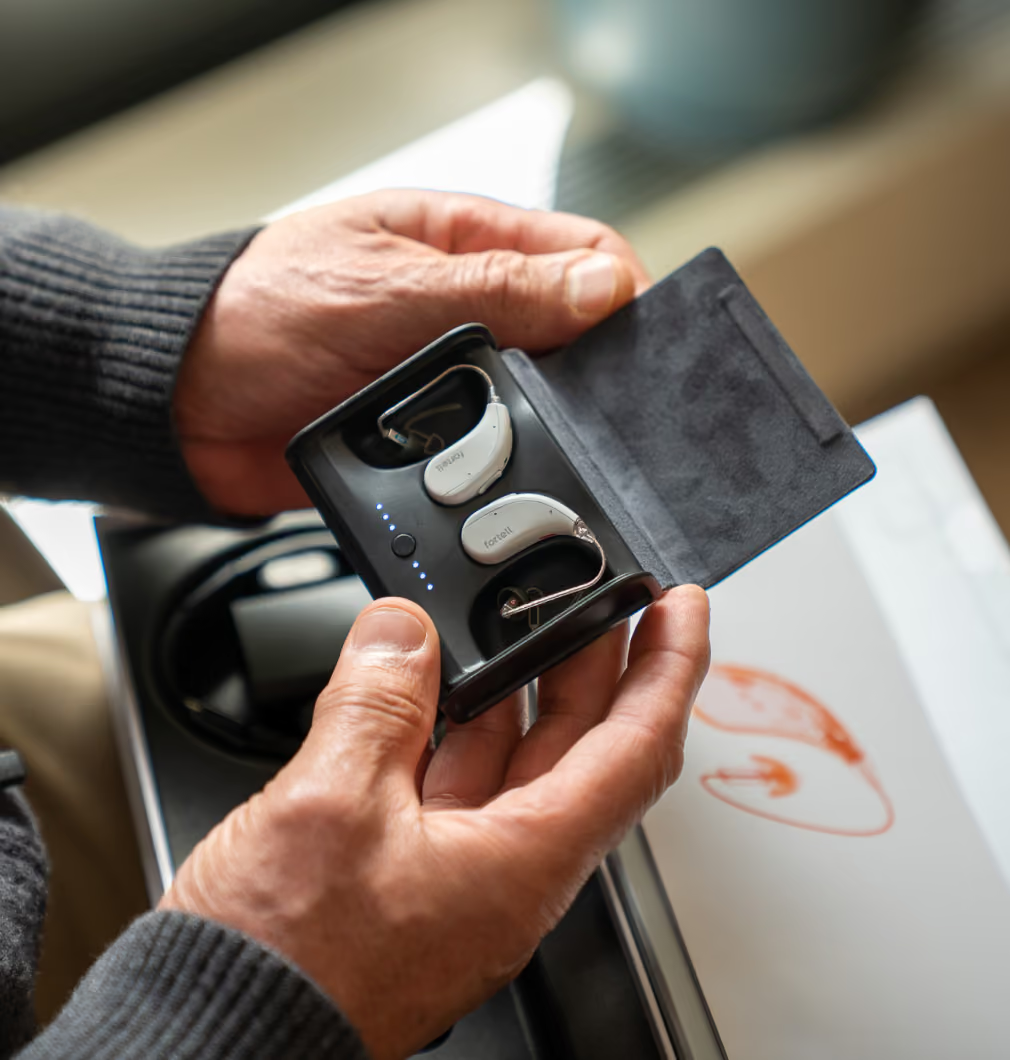
Fortell AI Hearing Aids charging in their portable case.

Factors that impact hearing aid longevity 

Two people can buy hearing aids on the same day and reach opposite ends of the 3-7-year range depending on how they use, handle, and care for their devices. The factors below help explain why:

  • Moisture, sweat, and humidity: Moisture can gradually damage sensitive electronics, especially in humid climates or with heavy perspiration. 
  • Earwax and debris: Buildup can clog receivers, microphones, and sound outlets, sometimes making a working device seem faulty. 
  • Storage and handling: Drops, bent wires, and improper storage can cause avoidable damage. 
  • Daily wear: Longer wear means greater exposure to moisture, earwax, and everyday wear and tear. 
  • Style and build quality: Hearing aid design can affect durability and repairability. Larger models often leave more room for replaceable components, while smaller styles prioritize discretion. 
  • Maintenance and updates: Routine checkups can catch worn parts before they cause larger problems. 

These factors also shape how manufacturers evaluate durability. Fortell tests its hearing aids against conditions they may encounter during years of daily use. An accelerated corrosion test exposes the devices to simulated sweat, while vibration, temperature, and drop tests assess whether they continue to function under different stresses. Testing cannot prevent everyday wear, but it helps Fortell evaluate how its hearing aids perform under conditions that may affect their lifespan and ensure they are built to withstand those stresses. 

“Two people can buy hearing aids on the same day and reach opposite ends of the 3-7-year range depending on how they use, handle, and care for their devices”

How to take care of your hearing aids so they last longer

Daily care cannot prevent every repair, but it can reduce wear and help hearing aids perform reliably for longer. Build these habits into your routine:

  • Keep them dry. Wipe the devices after use, protect them from humidity and heavy perspiration, and use a compatible drying box or dehumidifier when needed.
  • Control earwax and debris. Clean microphones and sound outlets regularly, and replace wax guards and domes according to the manufacturer’s guidance.
  • Store and handle them carefully. Keep hearing aids in their case or charging case when they are not in use, and avoid drops, bent wires, heat, and improper storage.
  • Follow a consistent routine. Nightly cleaning and drying can limit the moisture, earwax, and everyday buildup that comes with regular wear.
  • Schedule professional service and install updates. Routine checkups can identify worn parts early, while supported software updates help maintain performance.

Signs you need new hearing aids

Most hearing aids do not fail all at once. More often, small changes build over time. Look for these four signs:

  1. Sound stays muffled or distorted after cleaning. Replace the wax guard, check the dome or tubing, and recharge or change the battery first. If voices still sound fuzzy, schedule a professional check.
  2. You struggle more in noisy places than you used to. NIDCD notes that age-related hearing loss often develops gradually, so a restaurant or family gathering becoming harder to follow may reflect a change in hearing, a change in the device, or both. A hearing evaluation can help distinguish between them.
  3. Repairs have become routine. One receiver or wire replacement can be ordinary maintenance. Several service visits for different problems in a year suggest the device may be approaching the end of its practical life.

{{banner_symptoms}}

Should you repair or replace your hearing aids?

If a hearing aid still works but needs frequent service or no longer meets your daily listening needs, it may be time to compare repair with replacement. Use three factors to guide the decision: the repair cost, the device’s warranty coverage, and how well it still meets your daily hearing needs. An audiologist can inspect your devices, review their service history, and provide a recommendation based on your specific situation. 

Device-health monitoring can also help identify maintenance needs before deciding that a hearing aid requires repair or replacement. For example, the Hearing Aid Health feature in the Fortell app checks for possible microphone or receiver blockages, receiver damage, and changes in the device’s fit and seal. These can point to a simpler first step, such as cleaning, replacing a wax guard, or contacting Product Support, before assuming the hearing aid has failed.

Factor Repair may make sense when... Replacement may make sense when...
Device age The aid is less than roughly 3–4 years old. The aid is older and parts or manufacturer support are becoming limited.
Warranty The repair is covered or costs little out of pocket. The warranty has ended and you would pay the full repair cost.
Problem pattern One identifiable part needs attention. Repairs recur or several components have begun failing.
Cost The repair cost is modest compared with replacement. Repair costs keep adding up without restoring dependable use.
Daily results The device still delivers clear, reliable sound after service or adjustment. Clarity, battery life, or hearing in noise remains difficult despite service and reprogramming.
Device-health findings Testing points to a clogged microphone or receiver, a fit issue, or another maintenance need. Professional assessment confirms a broader hardware problem that maintenance or a small-part replacement cannot resolve.
Technology gap The current features still meet your listening needs. The processing is several generations behind and newer AI could address an important unmet need.

{{banner_living}}

Why upgrading to new technology can matter

A hearing aid can be mechanically functional yet lag behind current technology. Processing, connectivity, battery efficiency, and speech-in-noise technology can change significantly during a five-year ownership cycle. If following conversations in the places that matter most has become more difficult with an older pair, a repair may restore its original performance, but it cannot add capabilities its technology never had.

An upgrade does not always require new hardware. Some modern platforms can receive software improvements after purchase. That changes the usual relationship between product age and functionality: software updates can improve the device you already own, rather than leaving it limited to the capabilities available when you bought it.

What makes Fortell different

With Fortell, you don’t need to replace working hearing aids to access new features and improvements. Fortell delivers free software updates directly to its devices, allowing current and new wearers to benefit from improvements without buying new hardware. This helps hearing aids remain useful for longer while avoiding the cost and adjustment period that come with replacing them.

The latest update, Fortell AI 2.0, improved speech clarity, sound quality, and speech understanding across all tested listening conditions. It produced an average 4.1-decibel improvement in signal-to-noise ratio in the toughest noise conditions, which makes voices easier to distinguish from surrounding noise. Existing wearers received these improvements free on the hearing aids they already owned.

“Fortell AI 2.0 improved speech clarity, sound quality, and speech understanding across all tested listening conditions”
Fortell AI Hearing Care for Hearing Loss.

Your hearing experience should guide the decision

Most hearing aids last 3–7 years, and year five is a sensible time to look closely at repair costs, reliability, fit, and newer technology. But a calendar cannot tell you whether the pair in front of you still works for your life. Clear sound, a dependable charge, comfortable wear, and easier conversation matter more than reaching a particular anniversary.

A hearing evaluation is the fastest way to separate a fixable device problem from a change in hearing, and to understand what an upgrade would genuinely add. Book an appointment with a Fortell audiologist for a clear assessment, or explore Fortell locations to find a clinic near you.

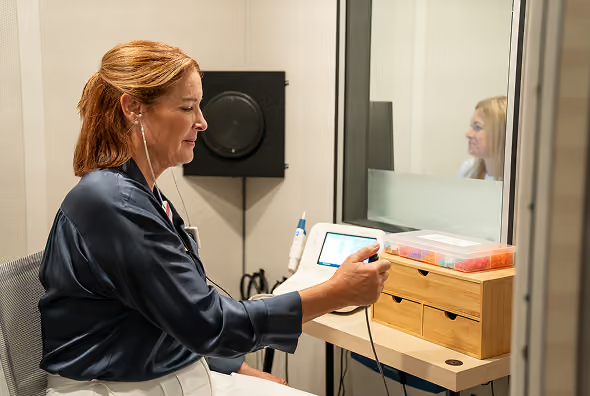
Audiologist running a hearing test, with the patient visible through the sound booth window.
Book an evaluation with a Fortell audiologist
and hear for yourself how Fortell's AI improves speech clarity in noise..
Book an evaluation
Audiologist running a hearing test, with the patient visible through the sound booth window.
Not sure if what you're experiencing is hearing loss?
A comprehensive evaluation with a Fortell audiologist gives you a clear answer.
Book your evaluation
Audiologist running a hearing test, with the patient visible through the sound booth window.
Considering an upgrade to your hearing aids?
A comprehensive evaluation and conversation with a Fortell audiologist will help you understand if Fortell is the right fit for your lifestyle and hearing goals.
Book your evaluation
Audiologist running a hearing test, with the patient visible through the sound booth window.
Not sure what type of hearing aid is best for you?
Start with an evaluation from an audiologist who will assess your hearing profile and lifestyle to give you a balanced recommendation.
Book your evaluation

Frequently asked questions

What can I do to make my hearing aids last longer?

Keep them clean and dry, store them in their case, manage earwax as directed, protect them from heat and moisture, install supported updates, and keep regular professional service appointments.

Is it better to repair my old hearing aids or buy new ones?

Repair often makes sense for a newer device under warranty with one fixable issue. Replacement may offer better value when repairs recur, support or parts are limited, or the devices no longer meet your hearing and listening needs. Ask an audiologist to compare the repair cost with the performance you can expect afterward.

‍

Can changes in my hearing mean I need new hearing aids even if they still work?

Yes. A device can function correctly but no longer provide enough power or flexibility for a changed hearing profile. Sometimes reprogramming is enough; in other cases, a different device or style may fit better. A current hearing evaluation can tell the difference.

‍

Read the full study

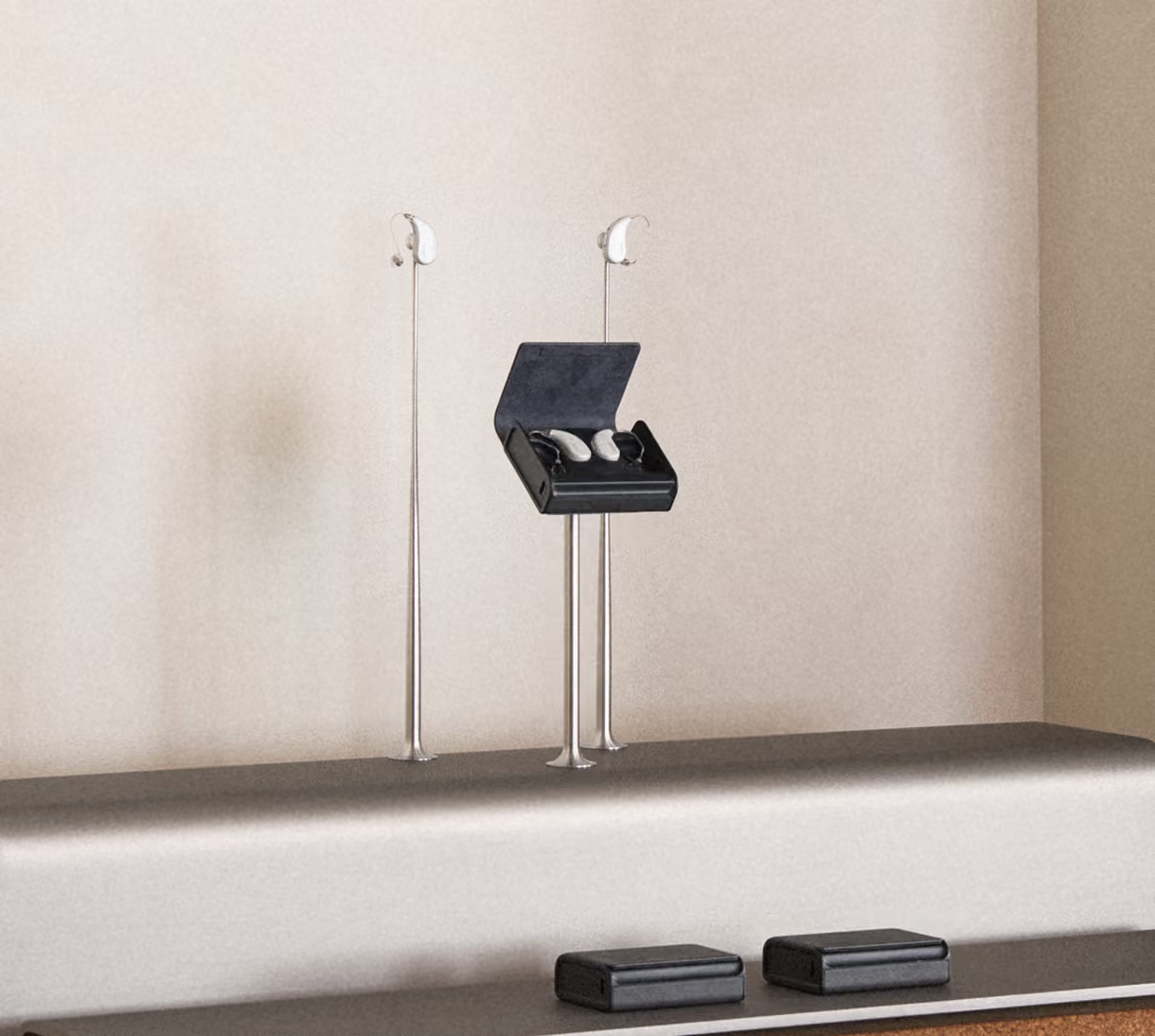
Fortell hearing aids displayed on stands beside their open charging case.

Hear what you've been missing

One evaluation with a Fortell audiologist tells you exactly where your hearing stands today, and what your options are.
Book a hearing evaluation
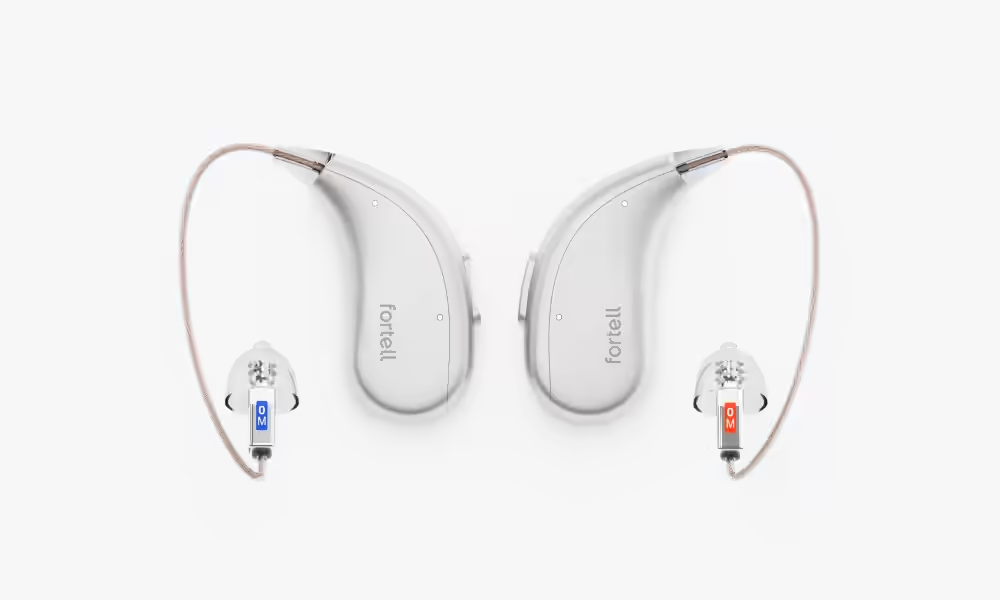
Pair of Silver Fortell hearing aids with clear wires and left and right ear tips.
Product
/
September 2026
How Do Hearing Aids Work?
Product
/
May 2026
The Cocktail Party Problem: Why Isolating a Single Voice is One of Science's Hardest Challenges
X-ray style view of a Fortell hearing aid showing its internal chip and circuitry.
Product
/
March 2026
Why Fortell Built its Own AI Chip, and Why it Matters
See all stories