Content
blog
Education
How Often Should Hearing Aids Be Replaced?

How Often Should Hearing Aids Be Replaced?

When a familiar hearing aid suddenly sounds muffled, it is natural to wonder whether it has reached the end of its life. But the problem may be much smaller. For example, a blocked wax guard can interrupt sound even when the device itself is still working.

Before buying a new pair, ask your audiologist to check the fit, parts, and settings of your current hearing aids. A cleaning, repair, or adjustment may resolve the problem. If they do need replacing, an updated hearing evaluation can help you choose a pair that suits your hearing and daily listening needs.

Published
Last Updated
November 9, 2026
Reading time
-
read
Person wearing hearing aids.
Key takeaways
  • The age of the device alone does not determine when to buy a new pair of hearing aids.
  • Domes and wax guards need attention much sooner; receiver replacement follows the device’s instructions and professional guidance.
  • Muffled sound or reduced performance may call for a replacement part, repair, or reprogramming rather than new hearing aids.
  • Replacing hearing aids usually involves an updated hearing evaluation, a fitting, a trial period, and follow-up adjustments.

How often do you need to replace your hearing aids?

Hearing aids typically need replacing every 3–7 years, while domes and wax guards are usually changed every few months or sooner. There is no universal expiration date: an audiologist can check whether a small part, updated settings, or a repair will meet your needs before recommending a new device.

For the factors that affect how long hearing aids last, including style, batteries, and daily habits, see our lifespan guide.

How often to replace hearing aid parts

Domes are the soft tips in your ears, wax guards protect the speaker opening, and receivers deliver sound. A problem with one does not necessarily mean the whole hearing aid has failed.

PartTypical replacement scheduleSigns it needs attentionWho replaces it
DomesAbout every 1–3 months; follow your model’s instructions.Brittleness, discoloration, damage, or poor fit.Wearer after instruction, or hearing care professional.
Wax guards / filtersAbout every 1–2 months; sooner if clogged. Fortell: when clogged or sound quality drops.Visible blockage, muffled sound, or reduced volume.Wearer using the correct tool, or hearing care professional.
Receivers (speakers)Model-specific. Fortell: every 12 months, or as your audiologist instructs.Damaged wire; persistent weak or intermittent sound.Hearing care professional, or wearer following model-specific instructions.
Rechargeable batteriesWhen service assessment confirms reduced capacity; no universal replacement interval.A battery that no longer lasts through the dayManufacturer or authorized service provider; Fortell batteries are not user-replaceable.

The intervals above are a starting point, but earwax buildup can mean a part needs attention sooner. Wax guards collect debris to protect the receiver, and that protective barrier can gradually become blocked. A drop in sound quality may therefore mean the guard is doing its job and needs changing, rather than that the hearing aid itself is wearing out.

Follow your model’s cleaning instructions and use replacement parts recommended for your device. Fortell purchases include replacement wax guards and multiple dome sizes. If a fresh guard or dome does not resolve the problem, contact your hearing care professional before replacing other components. Fortell’s non-removable rechargeable battery requires service through Fortell.

Worn part, setting, or the hearing aid itself?

A change in sound does not always mean you need new hearing aids. An audiologist can check whether it comes from a blockage, changed hearing, or the device itself. These are common starting points for that assessment.

SymptomPossible causeUsual next step
Muffled or weak soundBlocked wax guard or worn dome.Replace the part; reassess if sound stays weak.
Whistling or feedbackPoor seal, earwax, or settings.Check fit; replace dome or reprogram after assessment.
One hearing aid cuts outLow charge, blockage, or receiver fault.Check charge and filter; replace receiver or repair if needed.
Battery no longer lasts the dayCharging issue or reduced battery capacity.Check charger; arrange battery service if indicated.
More difficulty in background noiseChanged hearing, settings, or processing needs.Reprogram; compare replacement options if benefit remains limited.
Cracks, corrosion, or recurring repairsPhysical damage or broader hardware wear.Assess repair; replace device when repair cannot restore reliable use.

Start with your model’s troubleshooting instructions. Fortell’s Instructions for Use cover interrupted sound and squealing, including checking charge, domes, and wax guards. If whistling follows insertion, review how to put in hearing aids before assuming a part is worn out. If your hearing changes suddenly, seek immediate medical assessment rather than assuming the device is responsible.

Problems an audiologist can fix by reprogramming

As your hearing changes, settings that once worked well may no longer provide enough support. An updated hearing test can help your audiologist determine whether your current hearing aids need different settings and can accommodate those changes.

During the appointment, tell your audiologist where you’re having trouble, such as following conversations in restaurants. Those examples help them understand what you need from the adjustments.

When to consider replacing your hearing aids

Your hearing aids may need replacing if they can no longer provide the amplification you need, have become unreliable, or still leave you struggling to follow conversations after adjustments. An audiologist can assess whether a new pair would better support your current hearing and listening needs.

You might choose the same model again if it has worked well for you, try a newer model from the same manufacturer, or explore another brand. Focus on what the replacement would improve, such as speech clarity in busy places, comfort, or ease of use.

“An updated test may show that your hearing aids need different settings. When the devices still have enough power and flexibility, reprogramming can improve performance without replacing them.”

What happens when you replace your hearing aids

Bring your current pair, charger, and examples of what is no longer working for you. The replacement process should build on what you already know about wearing hearing aids.

  • Check coverage and repair options. Review your warranty before buying new; repair may still make sense. For example, Fortell’s warranty covers manufacturing defects for three years. Out-of-warranty repair is available for up to five years from delivery, with a free initial inspection and contact before repairs estimated above $50.
  • Undergo an updated hearing evaluation. Your audiologist compares your current results with earlier tests and checks your existing hearing aids for wear, damage, or performance problems that could inform your replacement options.
  • Compare suitable options. Discuss the conversations, comfort, and features that matter to you with an audiologist. Fortell’s audiology team can explain whether its hearing aids suit your needs.
  • Attend the fitting. The audiologist programs the new pair for your hearing, adjusts the fit, and shows you the controls and replacement parts.
  • Use the trial and follow-up visits. Try the pair in familiar situations, record what sounds difficult, and arrange adjustments before the return deadline.
  • Allow time to adjust. Even an experienced wearer may find new sound processing unfamiliar. Regular use and follow-up support help you adapt. Let your audiologist know about discomfort so they can check the fit and settings.
  • Make a plan for the old pair. Keep a functioning pair as a backup, or ask a hearing care professional about donation. Check local electronics recycling options for devices that cannot be reused.

What to look for in replacement hearing aids

When choosing replacement  hearing aids, start with what you want to improve: following conversations in busy places, getting a comfortable fit, or having enough battery life for your day. Tell your audiologist where your current pair falls short so they can recommend options that address those needs.

If comfort or handling is part of the decision, compare the types of hearing aids with your audiologist. Before choosing a pair, ask about:

  • The trial period, return requirements, and any nonrefundable fees.
  • Warranty terms, repair support, and loss and damage coverage.
  • Included follow-up care, adjustments, and replacement parts.
  • Rechargeable battery service and compatibility with your phone.
  • Speech clarity in background noise and access to software improvements.

Ask how the features you are considering would help in the situations that remain difficult with your current pair. During the trial, pay attention to whether conversations are easier to follow, the fit stays comfortable, and the controls feel manageable.

Audiologist discussing hearing aids with a patient.

Why choose Fortell when you replace your hearing aids

If conversations in restaurants, family gatherings, or other noisy places remain difficult after your current hearing aids have been checked and adjusted, Fortell may be worth considering. Tell your audiologist which situations are still challenging so they can assess whether a different approach to sound processing could help.

Fortell AI Hearing Aids use Spatial AI to separate speech from background noise. A Fortell audiologist can evaluate your hearing and provide a personalized demonstration. If you choose to try them, use the trial period to assess whether conversations are easier to follow in the places where your current pair falls short.

Follow-up appointments give you time to discuss what’s working and have the fit or settings adjusted as you get used to your new pair.

Fortell AI Hearing Aids are for prescription use by adults with hearing loss and available in the U.S. only.

“Upgrading your hearing aids is worth considering when it addresses something your current pair cannot. A newer model is not automatically a better fit.”

Choose the next step with confidence

Follow your device’s instructions for replacing parts such as domes and wax guards. If your hearing aids become uncomfortable, unreliable, or less effective, book an appointment with your audiologist. They can check whether maintenance or adjustments would help, or whether it’s time for a new pair.

To explore replacement with Fortell, start with the eligibility quiz. You can also find a Fortell Audiology clinic or read patient stories as you consider your options.

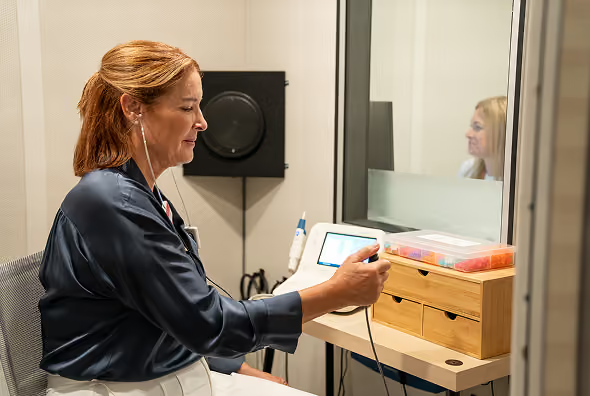
Audiologist running a hearing test, with the patient visible through the sound booth window.
Book an evaluation with a Fortell audiologist
and hear for yourself how Fortell's AI improves speech clarity in noise..
Book an evaluation
Audiologist running a hearing test, with the patient visible through the sound booth window.
Not sure if what you're experiencing is hearing loss?
A comprehensive evaluation with a Fortell audiologist gives you a clear answer.
Book your evaluation
Audiologist running a hearing test, with the patient visible through the sound booth window.
Considering an upgrade to your hearing aids?
A comprehensive evaluation and conversation with a Fortell audiologist will help you understand if Fortell is the right fit for your lifestyle and hearing goals.
Book your evaluation
Audiologist running a hearing test, with the patient visible through the sound booth window.
Not sure what type of hearing aid is best for you?
Start with an evaluation from an audiologist who will assess your hearing profile and lifestyle to give you a balanced recommendation.
Book your evaluation

Read the full study

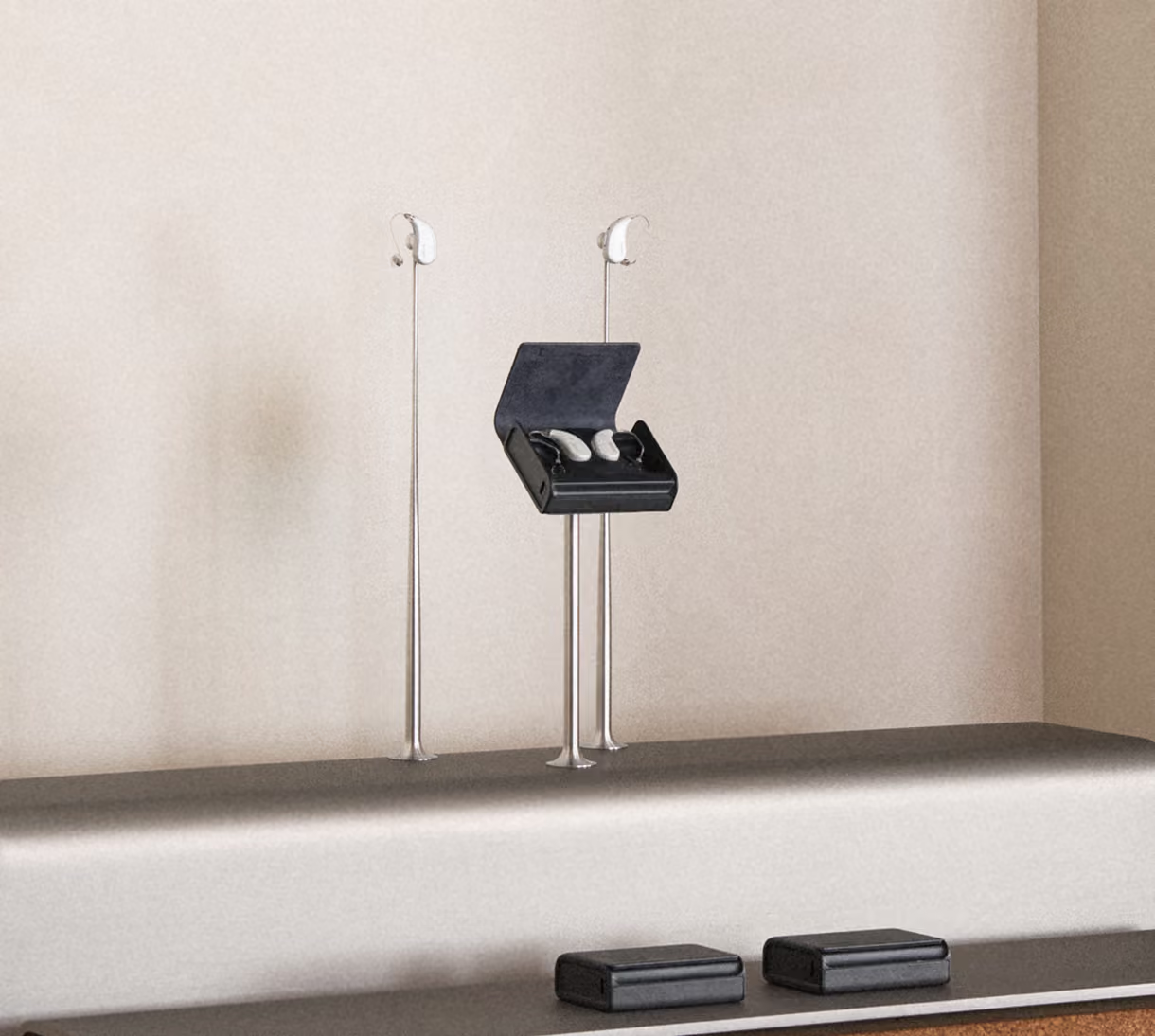
Fortell hearing aids displayed on stands beside their open charging case.

Hear what you've been missing

One evaluation with a Fortell audiologist tells you exactly where your hearing stands today, and what your options are.
Book a hearing evaluation
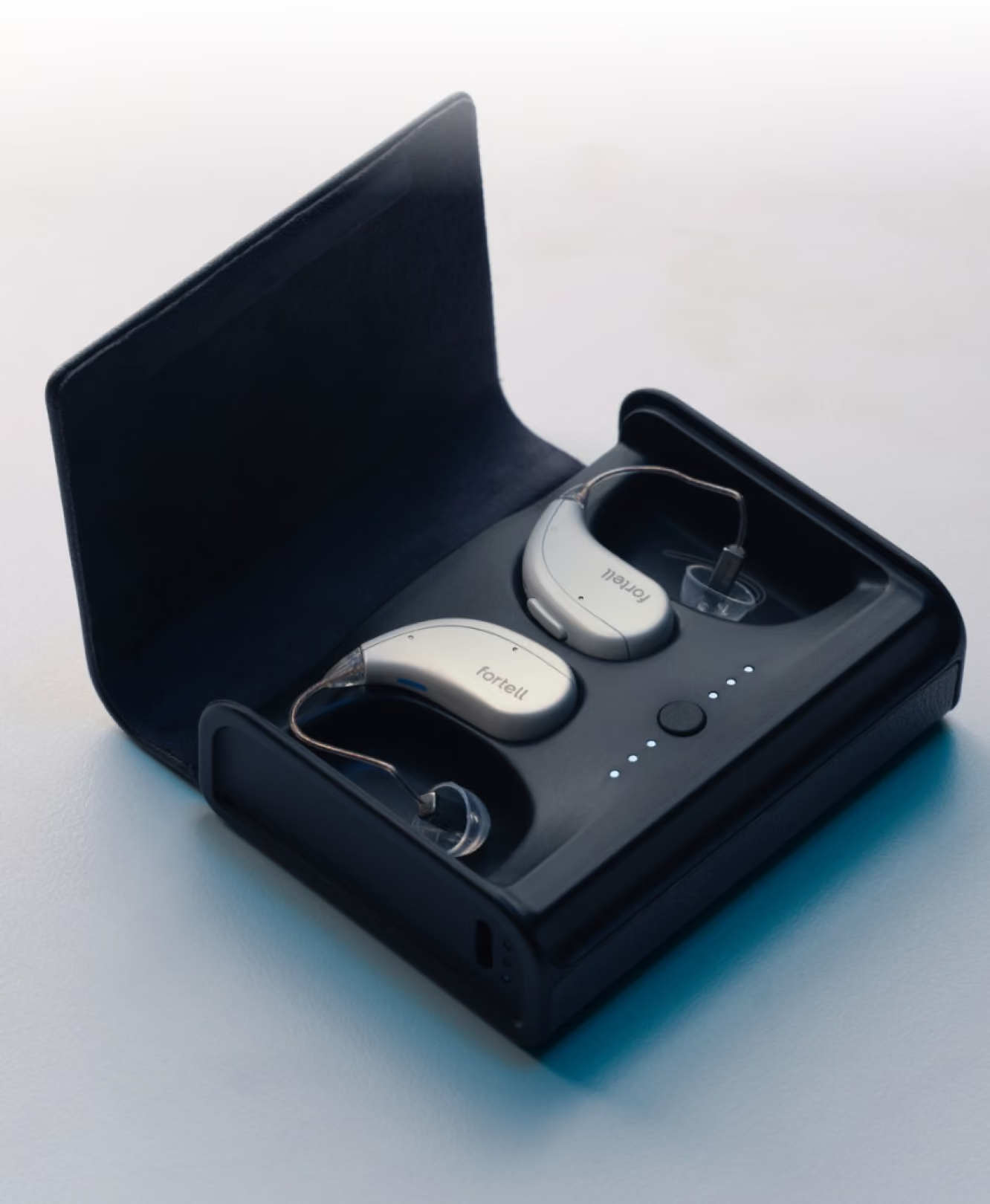
Fortell AI Hearing Aids charging in their portable case.
Education
/
October 2026
Charging Hearing Aids: Time & Battery Tips
Pair of Silver Fortell hearing aids with clear wires and left and right ear tips.
Product
/
September 2026
How Do Hearing Aids Work?
Audiologist helping a smiling patient fit a hearing aid
Education
/
October 2026
How to Put In Hearing Aids Correctly
See all stories